

Modern technology is changing how businesses operate, compete, and serve customers across global markets. Digital tools, artificial intelligence, automation, cloud computing, advanced analytics, and connected devices are helping companies improve efficiency while creating new growth opportunities.
From manufacturing and healthcare to finance, retail, transportation, and agriculture, technology is becoming a central part of everyday business operations. Companies that adopt emerging technologies can respond faster to changing customer needs, reduce operational costs, and develop innovative products and services.
Read More: Next-Generation Gadgets Worth Watching This Year
The Growing Role of Technology in Global Industries
Technology has moved beyond being a support function for businesses. It now influences strategic decisions, customer experiences, production systems, and long-term growth.
Businesses use digital platforms to communicate with customers, analyze market trends, manage employees, process payments, and coordinate international operations. Cloud-based systems also allow teams to access important information from different locations, supporting flexible and remote working environments.
The rapid development of artificial intelligence and machine learning is accelerating this transformation. These technologies can analyze large amounts of data, identify patterns, automate repetitive processes, and support faster decision-making.
Artificial Intelligence Transforming Business Operations
Artificial intelligence is one of the most influential technologies reshaping global industries. Companies across different sectors are using AI to improve productivity, personalize services, detect risks, and automate complex tasks.
In financial services, AI can help identify unusual transactions and improve fraud detection. Healthcare organizations can use AI-powered systems to support medical research, analyze information, and improve patient management. Retail businesses use AI to understand purchasing behavior and deliver more personalized recommendations.
Generative AI is creating another major shift. Businesses can use it for content creation, customer support, software development, research, and internal communication. As AI capabilities continue to expand, organizations are increasingly integrating intelligent systems into everyday workflows.
Automation Improving Productivity
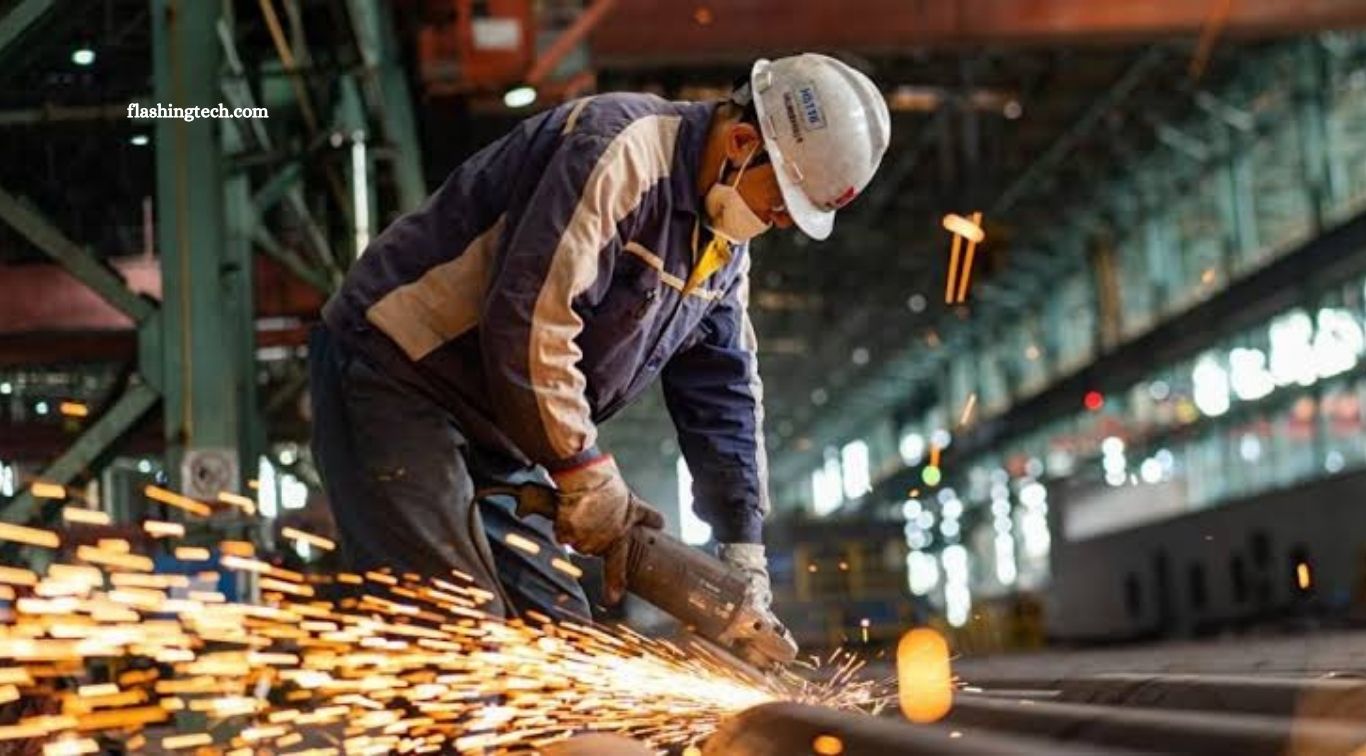
Automation is helping companies complete repetitive tasks with greater speed and consistency. Modern automation technologies range from software-based robotic process automation to advanced industrial robots.
Manufacturing companies can automate production lines, quality inspections, inventory management, and packaging. Warehouses can use automated systems to organize products and support faster order fulfillment.
Automation does not simply replace manual processes. It can also allow employees to focus on activities requiring creativity, strategic thinking, communication, and problem-solving.
Cloud Computing Supporting Global Businesses
Cloud computing has changed how organizations store, process, and access information. Instead of relying entirely on physical infrastructure, businesses can use cloud platforms to access computing resources according to their requirements.
Cloud technology supports collaboration between employees located in different countries. It also helps companies scale digital services without making large investments in physical hardware.
Small businesses benefit from this development because cloud-based software can provide access to powerful business tools without requiring the infrastructure traditionally associated with large enterprises.
Data Driving Smarter Decisions
Data has become one of the most valuable resources for modern organizations. Companies collect information from websites, applications, connected devices, transactions, customer interactions, and business systems.
Advanced analytics helps organizations turn this information into useful insights. Businesses can identify customer preferences, forecast demand, monitor performance, and recognize emerging market trends.
Real-time analytics is becoming increasingly important. Companies can monitor operations as they happen and respond quickly when problems or opportunities appear.
Technology Reshaping Healthcare
Healthcare is experiencing major technological changes through digital records, telemedicine, wearable devices, AI-assisted research, and connected medical equipment.
Telemedicine allows patients to communicate with healthcare professionals remotely, improving access for people who may live far from major medical facilities. Wearable devices can monitor health-related information and provide users with insights into their daily activity.
Technology is also supporting pharmaceutical research and medical innovation. Advanced computing and data analysis can help researchers process complex information and accelerate certain stages of research.
Manufacturing Becoming More Intelligent
Manufacturing is moving toward smart factories powered by automation, sensors, artificial intelligence, and connected equipment.
Industrial Internet of Things technology allows machines to communicate and exchange operational information. Manufacturers can use these systems to monitor equipment performance, predict maintenance needs, and reduce production interruptions.
Digital twins are another emerging technology. A digital twin creates a virtual representation of a physical product, machine, or process, allowing businesses to study performance and test potential changes before implementing them in the real world.
Financial Services Entering a Digital Era
Technology has transformed banking and financial services. Mobile banking, digital payments, automated investment platforms, blockchain-based systems, and AI-powered financial tools have changed how people interact with money.
Customers can now complete many financial activities through smartphones without visiting physical branches. Businesses can also process international transactions more efficiently through digital payment systems.
At the same time, cybersecurity has become increasingly important. Financial institutions must protect customer information and payment systems against increasingly sophisticated digital threats.
Retail and E-Commerce Becoming More Personalized
Technology has completely changed the retail experience. E-commerce platforms allow consumers to discover, compare, and purchase products from almost anywhere.
Artificial intelligence and analytics help retailers understand customer behavior and provide personalized recommendations. Augmented reality can also allow customers to visualize products before making purchasing decisions.
Behind the scenes, retailers are using technology to improve inventory management, supply chains, pricing strategies, and delivery systems. These developments create faster and more convenient shopping experiences.
Transportation and Logistics Becoming Smarter
Transportation companies are adopting technology to improve safety, efficiency, and delivery performance. GPS systems, connected vehicles, route optimization software, automation, and real-time tracking are becoming important components of modern logistics.
Companies can monitor shipments throughout the delivery process and provide customers with more accurate updates. AI-powered systems can analyze traffic patterns and optimize routes, potentially reducing fuel consumption and delivery times.
Electric vehicles and autonomous driving technologies are also influencing the future of transportation, although widespread adoption depends on infrastructure, regulation, cost, and safety considerations.
Agriculture Embracing Digital Innovation
Technology is also changing traditional agriculture. Farmers can use sensors, satellite imagery, drones, automated equipment, and data analytics to monitor crops and manage resources.
Precision agriculture allows farmers to make decisions based on specific field conditions. This approach can help optimize water, fertilizer, and other resources while improving productivity.
As global populations and environmental pressures increase, agricultural technology could play an important role in creating more efficient and sustainable food production systems.
Cybersecurity Becoming a Business Priority
Greater dependence on technology creates greater cybersecurity responsibilities. Businesses now manage large volumes of digital information, making data protection an essential part of modern operations.
Organizations are investing in encryption, identity management, threat detection, employee training, and security monitoring. Artificial intelligence is also being used to identify unusual activity and detect potential threats.
Cybersecurity is no longer only an IT concern. A major security incident can affect customer trust, business operations, finances, and brand reputation.
Technology Creating New Business Opportunities
Modern technology is not only improving existing industries; it is creating entirely new markets. Cloud services, digital platforms, artificial intelligence, cybersecurity, creator tools, fintech, and online education have generated new business models and career opportunities.
Entrepreneurs can launch digital businesses with fewer physical resources than were traditionally required. Global connectivity also allows companies to reach international customers without establishing a physical presence in every market.
This shift has lowered some barriers to entry while increasing competition. Businesses must continuously innovate to remain relevant.
Challenges of Rapid Technological Change
Despite its advantages, technological transformation creates challenges. Businesses may face high implementation costs, employee training requirements, regulatory uncertainty, cybersecurity risks, and concerns about data privacy.
Automation and AI are also changing workplace roles. Some repetitive tasks may decline while demand increases for digital, analytical, technical, and creative skills.
Organizations therefore need to focus on workforce development alongside technology adoption. Training employees and helping them adapt to new systems can make digital transformation more sustainable.
The Future of Global Industries
The next phase of technological development will likely involve greater integration between AI, automation, cloud computing, robotics, connected devices, and advanced data systems.
Businesses will increasingly operate through interconnected digital ecosystems rather than isolated technologies. Companies that combine technology with strong human decision-making can create more flexible and responsive operations.
Sustainability will also influence technological development. Organizations are exploring technologies that can improve energy efficiency, reduce waste, optimize supply chains, and support cleaner production.
Frequently Asked Questions
How is modern technology changing global industries?
Modern technology improves productivity, automates tasks, strengthens decision-making, reduces costs, and creates new business opportunities across industries.
What role does AI play in global industries?
AI helps businesses analyze data, automate processes, personalize customer experiences, detect risks, and improve operational decisions.
How does automation benefit businesses?
Automation increases efficiency, reduces repetitive work, improves consistency, and allows employees to focus on more strategic responsibilities.
Why is cloud computing important for businesses?
Cloud computing provides flexible access to digital resources, supports remote collaboration, reduces infrastructure requirements, and helps businesses scale efficiently.
How is technology transforming healthcare?
Technology supports telemedicine, digital health records, wearable devices, medical research, data analysis, and more efficient patient management.
What challenges come with technological advancement?
Major challenges include cybersecurity threats, data privacy concerns, implementation costs, workforce adaptation, and the need for continuous employee training.
Conclusion
Modern technology is reshaping global industries by changing how businesses produce goods, deliver services, understand customers, and compete in international markets. Artificial intelligence, automation, cloud computing, data analytics, connected devices, and digital platforms are creating new possibilities across nearly every major sector.

1 Comment
Pingback: Tech Trends That Every Professional Should Understand - FlashingTech