

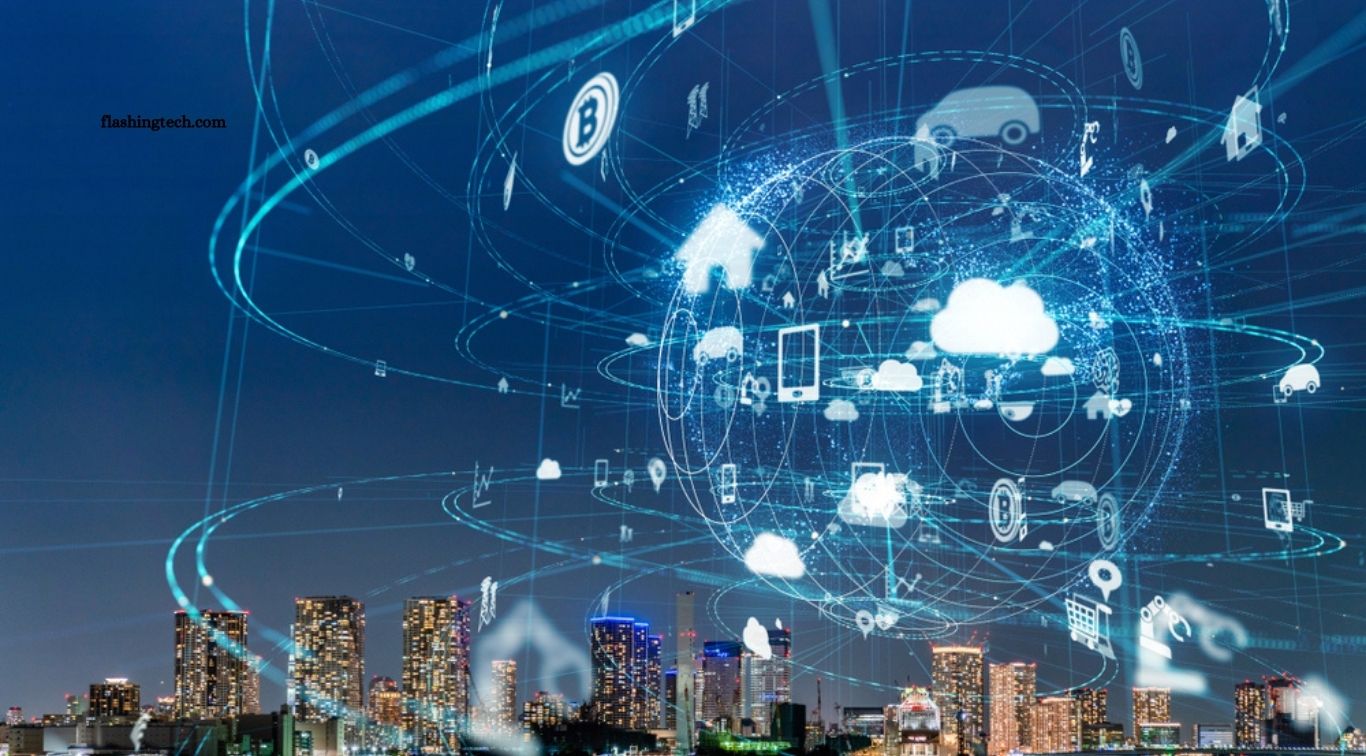
Connected devices are becoming an increasingly important part of modern life. Smartphones, smart home products, wearable technology, connected vehicles, industrial equipment, and other internet-enabled devices are changing how people communicate, work, monitor information, and interact with their surroundings.
The future of connected devices will involve greater intelligence, automation, interoperability, and personalization. As technologies such as artificial intelligence, edge computing, faster wireless networks, and advanced sensors continue developing, connected devices are expected to become more useful while creating new challenges around privacy, security, and digital dependence.
Read More: New Digital Solutions for Small Businesses
What Are Connected Devices?
Connected devices are physical products capable of communicating with other devices, networks, applications, or online services. They commonly use technologies such as Wi-Fi, Bluetooth, cellular networks, sensors, and cloud platforms to exchange information.
Examples include smart speakers, fitness trackers, security cameras, smart appliances, connected cars, medical monitoring equipment, and industrial machines. These devices can collect information, respond to commands, automate tasks, and provide services based on connected data.
The Growth of the Internet of Things
The Internet of Things, commonly called IoT, describes networks of physical devices that communicate and exchange data. IoT technology has expanded across homes, businesses, healthcare, transportation, agriculture, manufacturing, and many other sectors.
As connectivity becomes more affordable and accessible, more everyday objects can gain digital capabilities. This growth creates opportunities for automation and better data collection while increasing the importance of managing large numbers of connected devices securely.
Smarter Connected Homes
Smart homes are likely to become more integrated as connected devices improve. Lighting, thermostats, security systems, appliances, entertainment equipment, and other household products can increasingly communicate through shared platforms.
Future smart homes may respond more intelligently to user preferences and environmental conditions. Instead of requiring separate commands for every device, automated systems could coordinate multiple products to improve comfort, convenience, energy efficiency, and household management.
Artificial Intelligence and Connected Devices
Artificial intelligence can make connected devices more useful by helping them understand patterns, recognize information, and make automated decisions. AI-powered devices can potentially adapt to user behavior instead of simply following fixed instructions.
This development could make connected technology feel more personalized and responsive. However, greater intelligence also means devices may process more personal information, making responsible data handling and transparent privacy practices increasingly important.
Edge Computing and Faster Responses
Edge computing allows some data processing to occur closer to the device rather than sending every piece of information to a distant cloud server. This approach can reduce delays and improve responsiveness for certain applications.
Connected vehicles, industrial systems, security technologies, and other time-sensitive devices can benefit from faster local processing. Edge computing may also reduce the amount of information that needs to travel continuously across networks.
The Role of Faster Networks
Faster wireless networks can support larger numbers of connected devices while improving communication speed and reliability. Advanced cellular and wireless technologies can help connect devices in homes, cities, businesses, and remote locations.
Reliable connectivity is particularly important for applications that depend on real-time communication. As networks evolve, connected devices may become more capable of supporting complex services that require continuous data exchange.
Wearable Connected Technology
Wearable devices are already widely used for fitness tracking, notifications, communication, and personal monitoring. Future wearables may become more comfortable, energy-efficient, and capable of collecting increasingly useful information.
Smartwatches, fitness trackers, smart glasses, and other wearable products could become more closely integrated with smartphones and digital services. Their growing capabilities may create new opportunities while requiring careful consideration of personal data and privacy.
Connected Vehicles
Connected vehicles can communicate with mobile networks, navigation services, infrastructure, other vehicles, and cloud platforms. These capabilities can support navigation, remote services, vehicle diagnostics, entertainment, and safety-related functions.
Future transportation systems may use connected vehicle technology to improve traffic management and communication between road infrastructure and vehicles. As connectivity becomes more important, cybersecurity will remain a major concern for manufacturers and drivers.
Smart Healthcare Devices
Connected healthcare devices can support remote monitoring, digital health services, and communication between patients and healthcare professionals. Wearable sensors and connected medical equipment can collect information that may help professionals understand certain aspects of a person’s condition.
The healthcare sector requires especially strong privacy and security protections because connected medical information can be highly sensitive. Reliable systems, appropriate consent, and secure data management will be essential as connected healthcare develops.
Connected Devices in Business
Businesses increasingly use connected devices to monitor equipment, track resources, automate processes, and collect operational data. Industrial IoT systems can help organizations understand equipment performance and identify potential maintenance needs.
Connected technology can also improve workplace efficiency by linking machines, sensors, software platforms, and employees. Businesses will need to balance the benefits of automation with employee training, cybersecurity, maintenance, and responsible data use.
Smart Manufacturing
Manufacturing facilities can use connected sensors and machines to monitor production processes and equipment conditions. Real-time information can help organizations identify inefficiencies and respond more quickly to operational problems.
Future factories may combine connected machinery with artificial intelligence and automation to create highly responsive production environments. Human workers will continue to play important roles in supervision, decision-making, maintenance, quality control, and system management.
Connected Agriculture
Connected technology can support agriculture by monitoring soil conditions, weather information, crop environments, irrigation systems, and equipment. Sensors can provide information that helps farmers make more informed decisions about resource use.
Smart agriculture may improve efficiency while reducing unnecessary consumption of water, fertilizer, and energy. The availability of reliable connectivity in rural areas will remain an important factor in expanding these technologies.
Energy-Efficient Connected Devices
As the number of connected devices grows, energy efficiency will become increasingly important. Manufacturers are developing products that use lower-power components, improved batteries, efficient communication methods, and better power management.
Energy-efficient devices can reduce operating costs and extend battery life for portable products. Improving efficiency will also become important as billions of devices potentially remain connected for long periods.
Device Interoperability
Interoperability means different devices and platforms can communicate and work together effectively. This is important because consumers and organizations often use products from multiple manufacturers.
Greater interoperability can reduce complexity and improve the user experience. Industry standards and common communication frameworks can help create connected environments where devices work together instead of requiring separate systems for every product.
Security Challenges
Security is one of the biggest challenges facing connected devices. Every device connected to a network can potentially create another point that attackers may attempt to exploit.
Manufacturers and users can reduce risks through strong authentication, secure software updates, encryption, network protection, and responsible device management. Security should be considered during product design rather than added only after a device reaches the market.
Privacy and Personal Data
Connected devices can collect detailed information about locations, habits, preferences, activities, and environments. This data can make services more personalized but can also create significant privacy concerns.
Consumers should understand what information devices collect and how that information is used. Clear privacy policies, meaningful controls, data minimization, and secure storage can help create greater trust between users and technology providers.
Sustainable Connected Technology
The growth of connected technology also raises environmental questions. Manufacturing devices requires materials and energy, while discarded electronics can contribute to growing electronic waste.
Future connected products may place greater emphasis on repairability, durability, energy efficiency, recycling, and responsible material use. Designing products for longer lifespans could help reduce environmental impact while providing consumers with better long-term value.
The Future of Smart Cities
Smart cities can use connected sensors and systems to monitor transportation, public services, energy use, environmental conditions, and infrastructure. These technologies can provide information that supports more efficient urban management.
Successful smart city development requires more than installing sensors. Cities must also consider privacy, accessibility, cybersecurity, infrastructure costs, and equal access to digital services so technological improvements benefit broader communities.
Connected Devices and Automation
Automation is expected to become a major part of connected technology. Devices can increasingly perform repetitive tasks automatically based on schedules, sensor information, user preferences, or environmental conditions.
Automation can save time and improve efficiency, but excessive automation may create new risks if systems behave unexpectedly. Users should have appropriate controls and understand when automated decisions are being made.
Human Interaction With Connected Technology
As connected devices become more intelligent, interaction methods are likely to evolve. Voice commands, touch controls, gestures, biometric systems, and contextual automation may become more common across different types of devices.
The best connected technology should make interaction simpler rather than adding unnecessary complexity. Designers will need to consider accessibility, ease of use, reliability, and user control when developing future products.
The Importance of Digital Skills
The expansion of connected devices will increase the value of basic digital skills. Users may need to understand device settings, privacy controls, software updates, account security, and network configuration.
Businesses will also need employees who can manage connected systems and interpret the information they produce. Education and training can help people benefit from connected technology while reducing avoidable security and privacy risks.
What Consumers Should Expect
Consumers can expect connected devices to become more integrated into everyday routines. Products may communicate more effectively, automate additional tasks, and provide more personalized experiences across homes, vehicles, workplaces, and personal devices.
At the same time, consumers should evaluate products based on more than features. Security support, software updates, privacy controls, compatibility, energy efficiency, repair options, and long-term reliability will become increasingly important purchasing considerations.
Frequently Asked Questions
What are connected devices?
Connected devices are physical products that communicate with networks, applications, or other devices to exchange data and provide services.
What is the Internet of Things?
The Internet of Things connects physical devices through networks, allowing them to collect, exchange, and use information.
How will AI affect connected devices?
AI can make connected devices more intelligent by recognizing patterns, adapting to users, automating tasks, and making data-driven decisions.
Are connected devices secure?
Security varies between devices. Strong passwords, software updates, encryption, and secure networks can help reduce potential risks.
Why is privacy important for connected devices?
Connected devices can collect personal information, making transparent data practices, privacy controls, and secure data management increasingly important.
What is the future of connected devices?
Future devices are expected to become smarter, more interconnected, energy-efficient, automated, personalized, and integrated into everyday environments.
Conclusion
The future of connected devices will be shaped by artificial intelligence, faster networks, edge computing, advanced sensors, automation, and improved interoperability. These technologies can make everyday products more intelligent and useful while transforming industries such as healthcare, transportation, manufacturing, agriculture, and energy. The benefits of connected technology will depend on responsible development and thoughtful adoption.

1 Comment
Pingback: Must-Know Technology Updates for This Year - FlashingTech