

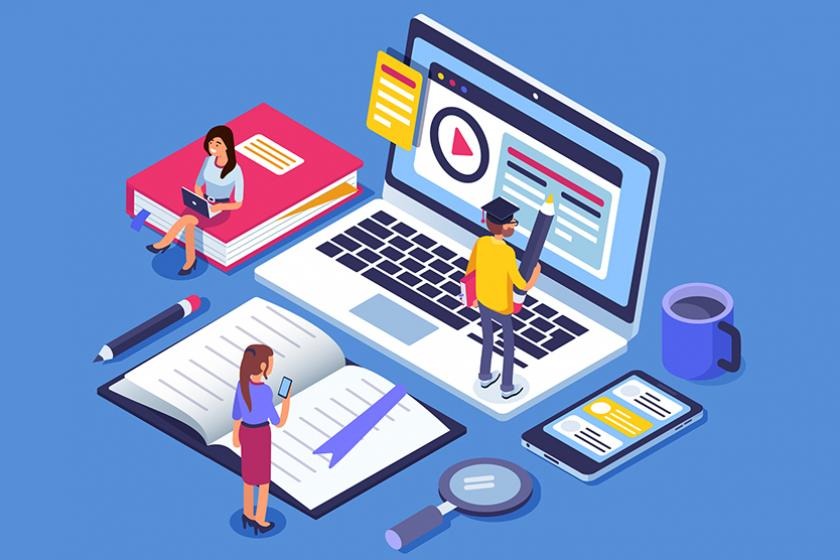
The rapid evolution of the digital landscape has placed immense pressure on the traditional education system. For students pursuing degrees in Engineering and Information Technology, the distance between classroom theory and industry requirements can often feel like a canyon. However, the rise of specialized Educational Technology (EdTech) is changing this narrative. These platforms are no longer just digital filing cabinets for lecture notes; they have become dynamic ecosystems that provide the practical expertise and real-time support necessary to thrive in a competitive global market.
The Changing Face of Technical Education
In the past, an Engineering student might spend years studying circuit diagrams or fluid mechanics from a textbook, only to find that the industry had moved on to advanced automation and sustainable energy systems by the time they graduated. Today, EdTech platforms act as a bridge, offering interactive simulations and virtual labs that allow students to experiment with high-end technology without needing access to a physical multimillion-dollar facility.
For those struggling with complex systems, specialized support is now just a click away. Whether it is mastering Power Systems or Digital Signal Processing, students often find that electrical engineering assignment help provides the clarity needed to connect theoretical formulas to real-world applications. This immediate access to expert guidance ensures that no student falls behind due to a single misunderstood concept.
Coding and Beyond: The IT Transformation
In the IT sector, the “skill gap” is even more pronounced. Programming languages evolve, and cybersecurity threats become more sophisticated every day. EdTech platforms solve this by offering modular learning. Instead of waiting for a university curriculum to update—which can take years—students use digital platforms to learn the latest in Cloud Computing, AI integration, and Full-Stack Development.
These platforms provide a sandbox environment where a student can write code, run it, and receive instant feedback. This hands-on approach is vital for building “muscle memory” in technical tasks. When the workload becomes overwhelming, particularly during final assessments, many students opt for professional assignment help australia to manage their schedules while maintaining a high standard of academic performance.
Practical Application Over Rote Learning
One of the most significant shifts driven by EdTech is the move away from memorizing facts toward solving problems. Modern platforms use case-study-driven modules that mirror the challenges faced by working professionals. For an Engineering student, this might mean designing a sustainable bridge in a 3D environment. For an IT student, it could involve defending a mock network from a simulated brute-force attack.
This method of learning builds confidence. When a student enters the workforce, they aren’t just bringing a degree; they are bringing a portfolio of digital projects. EdTech has democratized this experience, making high-level technical training accessible to anyone with an internet connection, regardless of their geographic location or the prestige of their local institution.
Bridging the Soft Skill Divide
Technical prowess is only half the battle. Industry leaders frequently complain that graduates lack “soft skills” such as project management, technical documentation, and collaborative problem-solving. EdTech platforms are addressing this by integrating collaboration tools into their interfaces. Students now work in virtual teams across different time zones, using the same project management software utilized by major tech firms.
By simulating the professional environment, these platforms ensure that students are prepared for the culture of the modern workplace. They learn how to communicate complex ideas clearly, manage deadlines, and work effectively within a team—skills that are just as important as knowing how to write a Python script or calculate the load-bearing capacity of a beam.
The Role of Personalized Support
Every student learns at a different pace. In a lecture hall of 300 people, it is easy to get lost. EdTech introduces personalization through data-driven insights. If a student is consistently struggling with a specific module in their IT course, the platform can suggest supplementary materials or connect them with a tutor.
This tailored approach reduces burnout and keeps retention rates high. It allows students to focus their energy on their weakest areas, ensuring a well-rounded skill set upon graduation. The integration of human expertise with digital tools creates a safety net that encourages students to take risks and explore difficult subjects without the fear of failure.
Preparing for a Future of Continuous Learning
The most important skill EdTech teaches is how to learn. In the Engineering and IT worlds, learning never stops. By engaging with these platforms early in their careers, students develop a habit of continuous self-improvement. They become comfortable with digital upskilling, a trait that will serve them well for decades as technology continues to disrupt every industry.
As we look toward the future, the partnership between traditional universities and EdTech platforms will only grow stronger. This synergy ensures that the next generation of innovators is equipped with both the foundational knowledge and the practical, cutting-edge skills required to build a better world.
Conclusion
In short, EdTech platforms are no longer optional tools; they are essential engines for student success in the modern world. By merging theoretical knowledge with practical, hands-on experience, these digital resources effectively close the gap between graduation and employment. For Engineering and IT students, utilizing these platforms ensures they enter the industry as confident, job-ready professionals equipped to handle the challenges of a rapidly changing technical landscape.
