

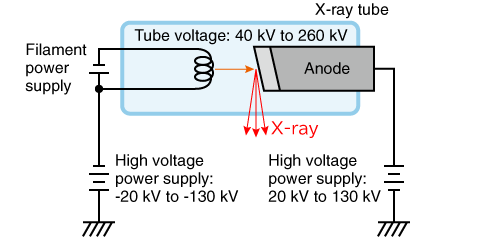
The transition from electrical input to diagnostic imaging output is a highly engineered process that demands precision at every stage. At the center of this transformation lies the X-ray tube power supply, a system responsible for converting raw electrical energy into controlled, usable power for imaging applications. Its performance directly influences image resolution, exposure consistency, and operational safety. In modern imaging environments, performance expectations have expanded beyond simple functionality. Systems must deliver stable voltage under varying loads, adapt to rapid operational cycles, and maintain reliability over extended use. These requirements make the power supply a defining factor in overall system efficiency. Understanding its role provides deeper insight into how imaging systems achieve clarity and consistency.
This blog explores the technical and operational dimensions that shape performance, offering a structured perspective on how voltage translates into accurate visualization.
Electrical Precision and Output Regulation
Performance begins with precise electrical regulation, where voltage and current must be delivered with exceptional accuracy. Imaging systems rely on consistent energy levels to generate uniform X-ray beams, making stability a non-negotiable requirement. Even minor deviations can result in inconsistent exposure, affecting image clarity and diagnostic reliability.
A high-performing power supply incorporates advanced control mechanisms to maintain voltage stability across different operating conditions. These systems use feedback loops and real-time monitoring to adjust output dynamically, ensuring that fluctuations are minimized. This level of precision is particularly critical in applications requiring repeated imaging, where consistency across multiple exposures is essential.
In addition to stability, regulation systems must also respond quickly to changes in demand. Rapid switching capabilities allow the system to adapt to varying imaging intensities without compromising performance. This combination of precision and responsiveness defines the foundation of reliable imaging output.
Thermal Management and System Durability
Sustained performance in imaging systems is closely tied to effective thermal management. As power is converted and delivered, heat generation becomes inevitable. Without proper dissipation, this heat can degrade components, reduce efficiency, and shorten system lifespan.
Modern power supply designs integrate advanced cooling mechanisms to address this challenge. These include optimized airflow systems, heat sinks, and temperature monitoring features that ensure safe operating conditions. By maintaining controlled temperatures, the system can operate continuously without performance degradation.
Durability is another critical aspect influenced by thermal control. High-quality materials and protective circuitry work together to prevent damage caused by overheating or electrical stress. This ensures that the system remains reliable even under demanding conditions.
In high-frequency imaging environments, where systems are used extensively throughout the day, effective thermal management becomes a defining factor in maintaining consistent performance and minimizing downtime.
Integration with Imaging System Architecture
The effectiveness of a power supply is also determined by how seamlessly it integrates with the broader imaging system. Compatibility with system components, including control units and X-ray tubes, is essential for achieving synchronized performance.
A well-integrated X-ray tube power supply ensures that energy delivery aligns precisely with imaging commands. This synchronization allows for accurate timing of exposures, which is critical for capturing detailed images. Advanced systems often include digital interfaces that enable communication between components, enhancing coordination and efficiency.
Integration also supports flexibility in system design. Modular configurations allow power supplies to be adapted for different applications, from medical diagnostics to industrial inspection. This adaptability ensures that the system can meet diverse operational requirements without compromising performance.
Ultimately, seamless integration enhances overall system functionality, enabling smoother workflows and improved imaging outcomes.
Efficiency, Energy Optimization, and Cost Control
Performance is not solely defined by output quality; it also encompasses energy efficiency and operational cost management. Modern systems are designed to optimize energy usage while maintaining high performance standards.
Efficient power conversion reduces energy loss, ensuring that a greater proportion of input power is utilized effectively. This not only lowers energy consumption but also minimizes heat generation, contributing to overall system stability. Over time, these efficiencies translate into significant cost savings for organizations.
A well-engineered power supply also reduces maintenance requirements. By operating within optimal parameters, it minimizes wear and tear on components, extending the lifespan of the system. This reliability reduces the frequency of repairs and associated downtime.
In environments where imaging systems are used extensively, these efficiencies play a crucial role in maintaining productivity while controlling operational expenses, making performance optimization a strategic priority.
Advancing Performance Through Intelligent Design
The evolution of power supply technology is increasingly driven by intelligent design principles. Modern systems incorporate digital controls, predictive diagnostics, and adaptive performance features that enhance reliability and usability.
These innovations enable real-time monitoring of system parameters, allowing operators to identify potential issues before they impact performance. Predictive maintenance capabilities further improve reliability by addressing concerns proactively rather than reactively.
Advanced designs also support scalability, allowing systems to accommodate future upgrades without requiring complete replacement. This forward-thinking approach ensures long-term value and adaptability in a rapidly evolving technological landscape.
As imaging demands continue to grow, the emphasis on intelligent design will only increase. Systems that combine precision, efficiency, and adaptability will define the next generation of imaging performance.
Conclusion
Understanding power supply performance provides valuable insight into how imaging systems achieve precision and reliability. From voltage regulation to thermal management and intelligent design, each aspect contributes to the seamless conversion of electrical energy into high-quality visual output. A high-performing X-ray machine power supply is not just a technical component but a critical enabler of consistent imaging results. Its ability to deliver stable, efficient, and adaptable performance directly impacts both operational success and long-term system value.
For organizations seeking to enhance imaging capabilities, investing in advanced power solutions is a strategic decision that directly influences accuracy, efficiency, and long-term reliability. VJ X-Ray offers specialized expertise and engineered systems designed to meet the evolving demands of modern imaging environments, delivering consistent performance, optimized energy control, and robust integration capabilities that support high-precision applications across medical and industrial sectors.
