

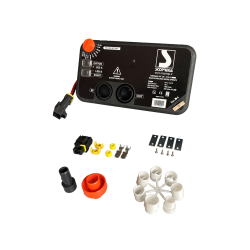
Inflatable dinghies are popular among boat owners because they are lightweight, portable, and relatively easy to store. However, maintaining the correct air pressure is essential for proper use and performance. Dinghy Inflators provide a convenient way to inflate and maintain inflatable boats, making preparation for a trip quicker and more manageable.
Why Dinghy Inflators Are Important
An inflatable dinghy needs the correct amount of air to maintain its intended shape and performance. Manual inflation can require considerable time and physical effort, especially with larger dinghies.
A suitable inflator can simplify this process by delivering air efficiently through the dinghy’s inflation valves. This is particularly useful when preparing a tender before launching or when reinflating it after storage.
Different Types of Dinghy Inflators
Dinghy inflators are available in several designs. Manual foot pumps and hand pumps are simple options that do not require an electrical power source. They can be useful as backup equipment or for smaller inflatable boats.
Electric inflators provide a faster and more convenient alternative. They may operate from a boat’s battery, a suitable power outlet, or another compatible power source. Some models are designed to provide high-volume airflow for initial inflation, while others can help achieve the pressure required for final inflation.
Choosing the Correct Inflator
Compatibility is one of the most important considerations when selecting a dinghy inflator. The pump should be suitable for the valve type used on the inflatable boat. Many inflators include interchangeable adapters to accommodate different valves.
The required pressure is also important. An inflator should be capable of reaching the manufacturer’s recommended pressure without exceeding the safe limits of the dinghy.
Airflow and inflation speed can vary between models, so users should consider the size of their dinghy and how frequently they need to inflate it.
Portable and Practical Design
Portability is particularly useful for boat owners. A compact inflator can be stored in a locker, equipment bag, or another limited space when not in use.
Lightweight construction and a convenient carrying handle can make transportation easier. Long power cables or inflation hoses may also provide greater flexibility when the dinghy is positioned away from the boat’s power source.
Some electric models may include automatic shut-off features or pressure controls. These can make the inflation process more convenient, but users should always follow the manufacturer’s instructions and verify the final pressure independently where appropriate.
Maintenance and Care
Proper maintenance can help extend the useful life of an inflator. Hoses, adapters, electrical cables, and connectors should be inspected regularly for damage or wear.
After use, the equipment should be kept clean and dry before storage. If the inflator is used around saltwater, removing salt residue can help protect its components.
Storing the inflator in a dry and protected location can also help maintain its performance between boating trips.
Keeping a Backup Pump
Even when an electric inflator is the primary choice, carrying a manual pump can be useful as a backup. Electrical equipment can experience power or connection problems, while a manual pump does not depend on a battery.
A small repair kit and appropriate valve adapters can also be valuable additions to a dinghy equipment bag.
Conclusion
Dinghy Inflators make preparing inflatable boats easier by providing an efficient way to achieve the recommended air pressure. From simple manual pumps to convenient electric models, there are options for different dinghy sizes and boating requirements. By choosing a compatible inflator, following pressure recommendations, and maintaining the equipment properly, boat owners can keep their inflatable tenders ready for use and enjoy greater convenience on every boating adventure.
