

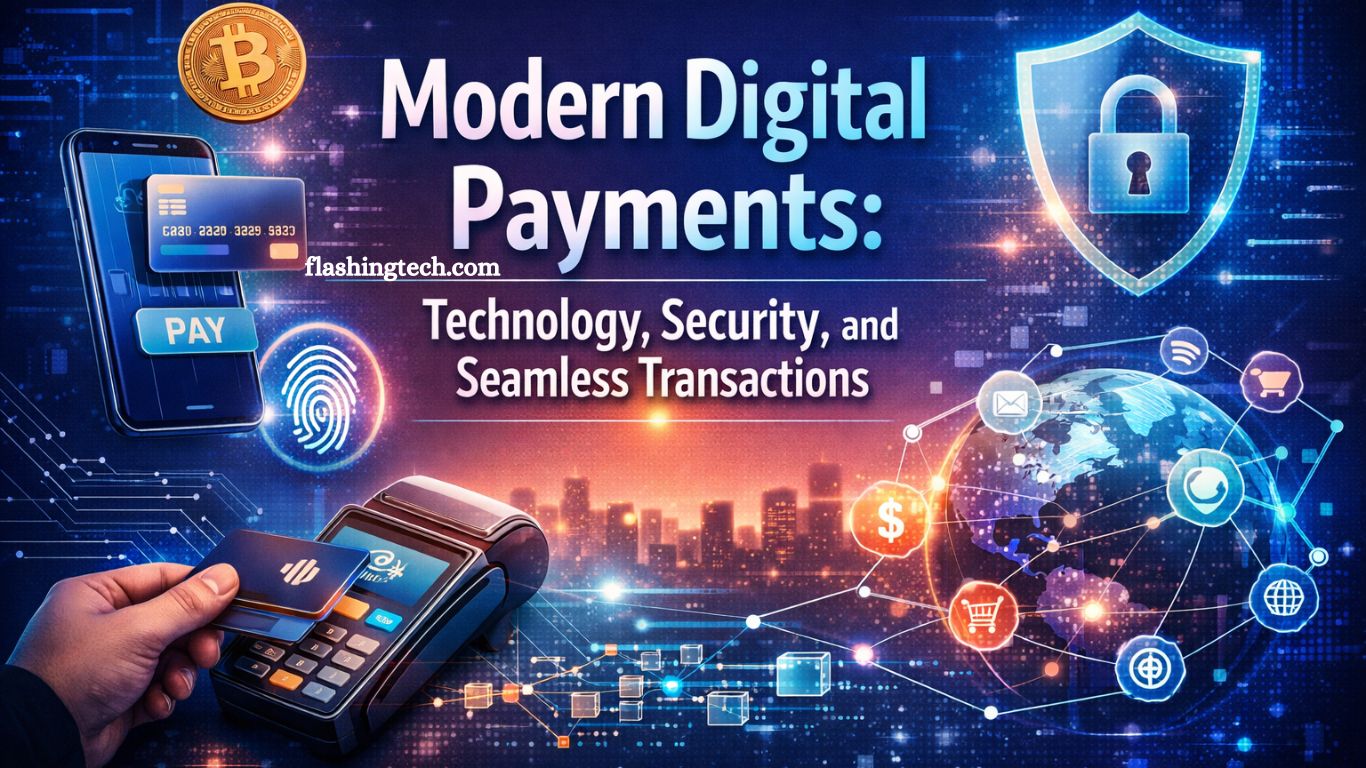
Modern digital payments are transforming how businesses and consumers exchange value, combining speed, convenience, and security like never before. Powered by advanced technologies such as blockchain, AI, and cloud computing, these systems enable seamless transactions across borders and devices. Security remains a top priority, with encryption, tokenization, and fraud detection safeguarding sensitive data at every step.
As user expectations rise, digital payment platforms are evolving to offer faster processing, smoother user experiences, and integration with emerging financial services. From mobile wallets to contactless cards, the ecosystem is designed to simplify payments while maintaining trust. Understanding the technology, security measures, and operational flow behind these transactions is crucial for navigating today’s digital economy.
The Rise of Digital Payments
Digital payments have evolved from simple card-based transactions to a complex ecosystem encompassing mobile wallets, peer-to-peer transfers, online banking, and cryptocurrency payments. The global digital payment market is projected to reach trillions of dollars over the next few years, driven by increasing smartphone penetration, greater internet connectivity, and consumer demand for faster, more convenient payment methods.
This growth reflects a shift in consumer behavior. People now prefer contactless and mobile payment options over traditional cash and checks. Businesses, too, benefit from digital payments by reducing operational costs, speeding up transaction processing, and reaching global customers. The rise of e-commerce, subscription services, and gig economy platforms has further accelerated the adoption of modern payment technologies.
Read more: Reliable MyTechStock Review for Tech Enthusiasts
Technology Behind Digital Payments
Modern digital payments rely on a combination of advanced technologies to ensure efficiency, reliability, and security. Key technological components include:
Mobile Payment Platforms
Mobile wallets like Apple Pay, Google Wallet, and PayPal enable users to make instant payments on their smartphones. These apps integrate with bank accounts, credit cards, and loyalty programs, offering a seamles,d intuitive payment experience.
Blockchain and Cryptocurrencies
Blockchain technology provides a decentralized, secure way to record transactions. Cryptocurrencies like Bitcoin and Ethereum leverage blockchain to enable peer-to-peer payments without intermediaries. This reduces transaction costs, increases transparency, and enhances security.
Artificial Intelligence and Machine Learning
AI and ML play a crucial role in payment processing, fraud detection, and customer insights. Algorithms can analyze transaction patterns in real time, flagging suspicious activity before it escalates. AI also helps optimize payment routing, improving speed and reducing failures.
Cloud Computing
Cloud-based payment platforms offer scalability and flexibility, enabling businesses to handle high transaction volumes without maintaining extensive on-premises infrastructure. Cloud systems also facilitate real-time analytics and reporting.
Contactless and Near-Field Communication (NFC)
Contactless payments use NFC technology to transmit payment data securely between devices. This method is not only faster but also safer, reducing physical interaction and minimizing the risk of card theft.
Ensuring Security in Digital Payments
Security is a cornerstone of digital payments. As transactions shift online, protecting sensitive data becomes critical. Modern payment systems implement multiple layers of security to maintain user trust and compliance with financial regulations.
Encryption
Data encryption converts payment information into unreadable code during transmission. Even if intercepted, the data remains secure and unusable to unauthorized parties.
Tokenization
Tokenization replaces sensitive payment information, like card numbers, with unique tokens. These tokens are useless if stolen, adding an extra layer of protection against fraud.
Multi-Factor Authentication (MFA)
MFA requires users to verify their identity using multiple methods, such as passwords, biometric scans, or one-time codes. This prevents unauthorized access even if login credentials are compromised.
Real-Time Fraud Detection
AI-driven systems monitor transactions in real-time to detect unusual behavior. Suspicious activity, such as sudden high-value purchases or unusual locations, triggers alerts or automatic blocks.
Regulatory Compliance
Digital payment providers adhere to global regulations, including PCI DSS, GDPR, and PSD2, ensuring data privacy, security, and transparency. Compliance builds consumer trust and reduces the risk of legal penalties.
Seamless Transactions: The User Experience
Modern digital payment systems focus not only on security but also on delivering a smooth, intuitive user experience. Businesses and consumers expect frictionless processes that save time and effort.
- Instant Payments: Digital platforms enable near-instantaneous transfers across accounts, banks, and countries.
- Cross-Platform Integration: Payments can be made through apps, websites, wearable devices, or even smart home devices.
- Personalized Experience: AI analyzes spending patterns to provide tailored offers, loyalty rewards, and budgeting tools.
- Minimal Errors: Automated processes reduce manual errors and transaction delays.
- Accessibility: Digital payment platforms are designed to be inclusive, providing access to users without traditional banking services.
By prioritizing seamless experiences, providers strengthen customer loyalty, boost adoption rates, and foster trust in the digital ecosystem.
Benefits of Modern Digital Payments
The advantages of modern digital payment systems extend to consumers, businesses, and financial institutions alike.
For Consumers
- Faster and more convenient payments
- Reduced dependency on cash
- Enhanced financial management tools
- Secure transactions with multiple protections
For Businesses
- Lower transaction costs
- Efficient cash flow management
- Expanded global reach
- Real-time analytics and reporting
For Financial Institutions
- Reduced fraud and operational risks
- Streamlined transaction processing
- Improved customer engagement and retention
By leveraging digital payments, all stakeholders experience increased efficiency, security, and satisfaction.
Challenges in Digital Payments
Despite the advantages, digital payments face several challenges:
- Cybersecurity Threats: Hackers constantly target payment systems, requiring continuous updates and monitoring.
- Digital Divide: Not all users have access to smartphones or internet connectivity, limiting adoption.
- Regulatory Complexity: Different regions have varying compliance requirements, making global operations challenging.
- Technological Dependence: System outages or failures can disrupt transactions and erode trust.
Addressing these challenges requires collaboration among technology providers, regulators, and financial institutions to ensure secure, reliable payment systems.
The Future of Digital Payments
The future of digital payments is set to be more innovative, faster, and interconnected. Key trends include:
- Central Bank Digital Currencies (CBDCs): Governments exploring digital currencies for safer and regulated transactions.
- AI-Powered Payments: Smarter fraud detection, predictive analytics, and personalized financial services.
- IoT-Enabled Payments: Payments through connected devices such as cars, appliances, and wearables.
- Biometric Authentication: Increased adoption of fingerprint, facial, and voice recognition for secure transactions.
- Sustainable Payments: Eco-friendly solutions with reduced reliance on physical cards and receipts.
As technology evolves, digital payments will continue to enhance financial inclusion, reduce transaction friction, and reshape global commerce.
Frequently Asked Questions
What are modern digital payments?
Modern digital payments refer to electronic methods of transferring money, such as mobile wallets, online banking, contactless cards, and cryptocurrencies.
How secure are digital payment systems?
Digital payments use encryption, tokenization, multi-factor authentication, and real-time fraud detection to ensure transactions remain secure and sensitive data remains protected.
What technologies enable seamless digital payments?
Key technologies include mobile payment apps, blockchain, AI and machine learning, cloud computing, and NFC-based contactless payments.
What are the benefits of digital payments for consumers?
Consumers enjoy faster transactions, convenience, reduced reliance on cash, enhanced security, and access to financial management tools.
How do businesses benefit from digital payments?
Businesses gain lower transaction costs, faster cash flow, global reach, real-time analytics, and improved customer satisfaction.
Are digital payments accessible globally?
While adoption is growing, access may vary due to internet availability, smartphone penetration, and local banking infrastructure.
What is the future of digital payments?
The future includes AI-powered payments, central bank digital currencies, IoT-enabled transactions, biometric authentication, and more seamless, secure financial solutions.
Conclusion
Modern digital payments are redefining how money moves in today’s digital economy, combining advanced technology, robust security, and seamless user experiences. From mobile wallets to blockchain solutions, these systems offer faster, safer, and more convenient transactions for consumers, businesses, and financial institutions. As innovations like AI, biometric authentication, and IoT-enabled payments continue to emerge, the digital payment landscape will become even more efficient and inclusive.
