

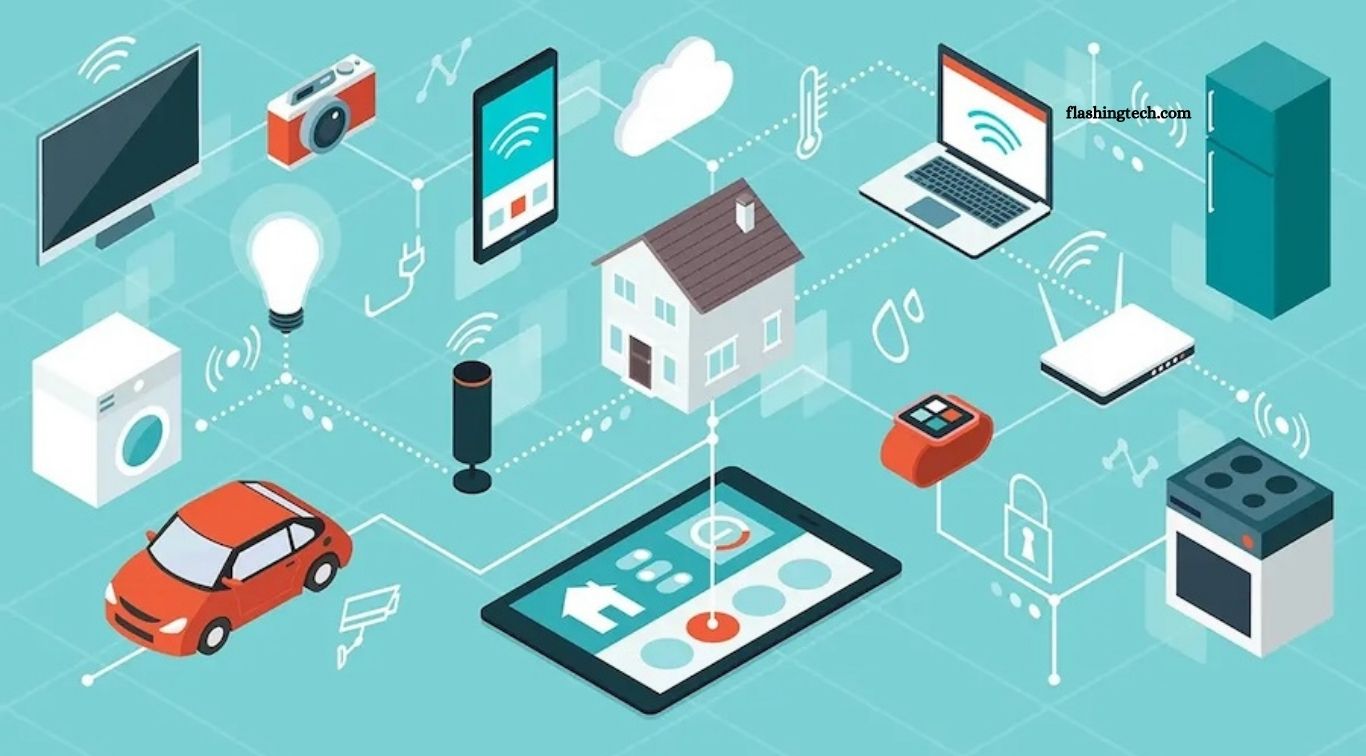
Technology has become an essential part of modern life. From smartphones and online banking to smart home devices and digital learning platforms, technology helps people complete everyday tasks with greater speed and convenience. Many activities that once required significant time or effort can now be handled within minutes through digital tools.
The benefits of technology are not limited to entertainment or communication. Technology supports education, healthcare, transportation, work, shopping, personal finance, and household management. Understanding these practical uses can help people make better use of digital tools while maintaining a healthy balance between technology and daily activities.
Read More: The Evolution of Consumer Technology Explained
Faster Communication
Technology has completely changed how people communicate. Messaging apps, email, video calls, and social media allow users to connect with family, friends, colleagues, and businesses almost instantly.
Video conferencing tools also make remote communication easier. People can attend meetings, discuss projects, and stay connected with others without traveling long distances.
Easier Access to Information
The internet provides quick access to a huge amount of information. Search engines, online libraries, digital newspapers, and educational websites help users find answers within seconds.
Students can research academic topics, professionals can learn about industry developments, and everyday users can find practical guides for cooking, repairs, travel, and other activities.
Convenient Online Banking
Digital banking makes financial management faster and more convenient. Mobile banking apps allow users to check balances, transfer money, pay bills, and review transactions without visiting a bank.
Online payment systems also make shopping and service payments easier. Users can complete many financial tasks from home using a smartphone or computer.
Improved Online Shopping
Technology has transformed the shopping experience. E-commerce platforms allow consumers to browse products, compare prices, read reviews, and place orders from home.
Online shopping can save time, especially for people with busy schedules. Delivery services also make it possible to receive groceries, clothing, electronics, and household products directly at the doorstep.
Better Learning Opportunities
Technology has made education more accessible. Online courses, educational apps, digital classrooms, tutorials, and virtual libraries allow people to learn outside traditional classrooms.
Students can watch recorded lessons, practice skills through interactive exercises, and use digital resources to understand difficult subjects. Adults can also develop professional skills through online learning platforms.
More Efficient Work
Modern technology helps businesses and employees complete tasks more efficiently. Cloud storage, project management software, video meetings, digital documents, and collaboration tools support remote and office-based work.
Automation can also handle repetitive tasks, allowing workers to focus more on creative and strategic responsibilities. This can improve productivity when technology is used correctly.
Convenient Navigation and Transportation
GPS technology has made traveling easier. Navigation apps provide directions, traffic updates, estimated arrival times, and alternative routes.
Ride-sharing and public transportation apps also help users plan journeys, book rides, and track vehicles. These tools reduce the need for printed maps and make unfamiliar travel more manageable.
Easier Healthcare Access
Technology provides several practical benefits in healthcare. Telemedicine allows patients to communicate with healthcare professionals remotely for suitable consultations.
Health apps and wearable devices can also help users monitor activities such as steps, exercise, sleep, and heart rate. These tools can encourage healthier habits, although they should not replace professional medical advice when medical care is needed.
Smarter Home Management
Smart home technology can simplify everyday household tasks. Smart lights, thermostats, security cameras, and appliances can be controlled through smartphones or voice assistants.
For example, users can schedule lights, adjust temperature settings, monitor entrances, or manage compatible appliances remotely. These features can improve convenience and, in some situations, help reduce unnecessary energy use.
Easier Entertainment
Technology provides convenient access to entertainment. Streaming platforms, podcasts, digital books, online games, and music services allow users to enjoy content whenever they have suitable internet access.
Instead of relying only on traditional television or physical media, people can choose from a wide variety of digital entertainment based on their interests.
Better Time Management
Digital calendars, reminders, task-management apps, and productivity tools help users organize their schedules. Important appointments, deadlines, meetings, and personal tasks can be stored in one place.
Notifications can remind users about upcoming activities, while task lists help break larger responsibilities into manageable steps.
Improved Personal Finance Management
Technology can help people understand and organize their finances. Budgeting apps and digital spreadsheets can track income, expenses, subscriptions, and savings goals.
Automatic transaction records can make it easier to identify spending patterns. With regular monitoring, users can make more informed financial decisions and maintain better control over their budgets.
Faster Access to Public Services
Many government and public services are becoming available online. Users can access forms, information, applications, appointment systems, and other services through official websites and digital platforms.
Online services can reduce unnecessary travel and waiting time while making important information available outside traditional office hours.
Support for Small Businesses
Technology gives small businesses access to tools that were once mainly available to large companies. Business owners can create websites, promote products through social media, communicate with customers, manage payments, and analyze online performance.
Digital marketing also allows businesses to reach specific audiences without depending entirely on traditional advertising methods.
Greater Accessibility
Technology can make digital content easier to use for people with different needs. Screen readers, voice controls, captions, magnification tools, speech-to-text features, and other accessibility technologies can support communication and access to information.
These tools help create more inclusive digital experiences and allow more people to participate in education, employment, communication, and entertainment.
How to Use Technology Effectively
Technology provides many advantages, but responsible use is important. Spending excessive time on devices can affect productivity, sleep, and personal interaction. Users should choose technology based on genuine needs rather than using every available digital service.
Strong passwords, software updates, privacy settings, secure networks, and careful handling of personal information are also important. A balanced approach allows people to enjoy the benefits of technology while reducing unnecessary risks.
Frequently Asked Questions
How does technology improve daily life?
Technology saves time, simplifies routine tasks, improves communication, and provides quick access to useful information.
How does technology help with communication?
Messaging apps, email, and video calls allow people to communicate quickly from almost anywhere.
Can technology improve productivity?
Yes. Digital calendars, task-management apps, automation, and collaboration tools can help users organize work and manage time.
How does technology support education?
Online courses, educational apps, digital libraries, and video lessons provide flexible learning opportunities.
How does technology make shopping easier?
Online shopping lets users compare products, check reviews, place orders, and receive deliveries without visiting physical stores.
Is technology always beneficial?
Technology offers many benefits, but excessive use can create problems. Responsible and balanced use is important.
Conclusion
Technology improves daily life by making communication, learning, work, banking, shopping, transportation, healthcare, and household management more convenient. Digital tools can save time, improve access to information, and simplify many routine activities. The most valuable approach is to use technology purposefully. Choosing reliable tools, protecting personal information, and maintaining a healthy balance between digital and offline activities can help people gain practical benefits from modern technology without becoming overly dependent on it.

1 Comment
Pingback: Smart Devices That Are Revolutionizing Home Living - FlashingTech