

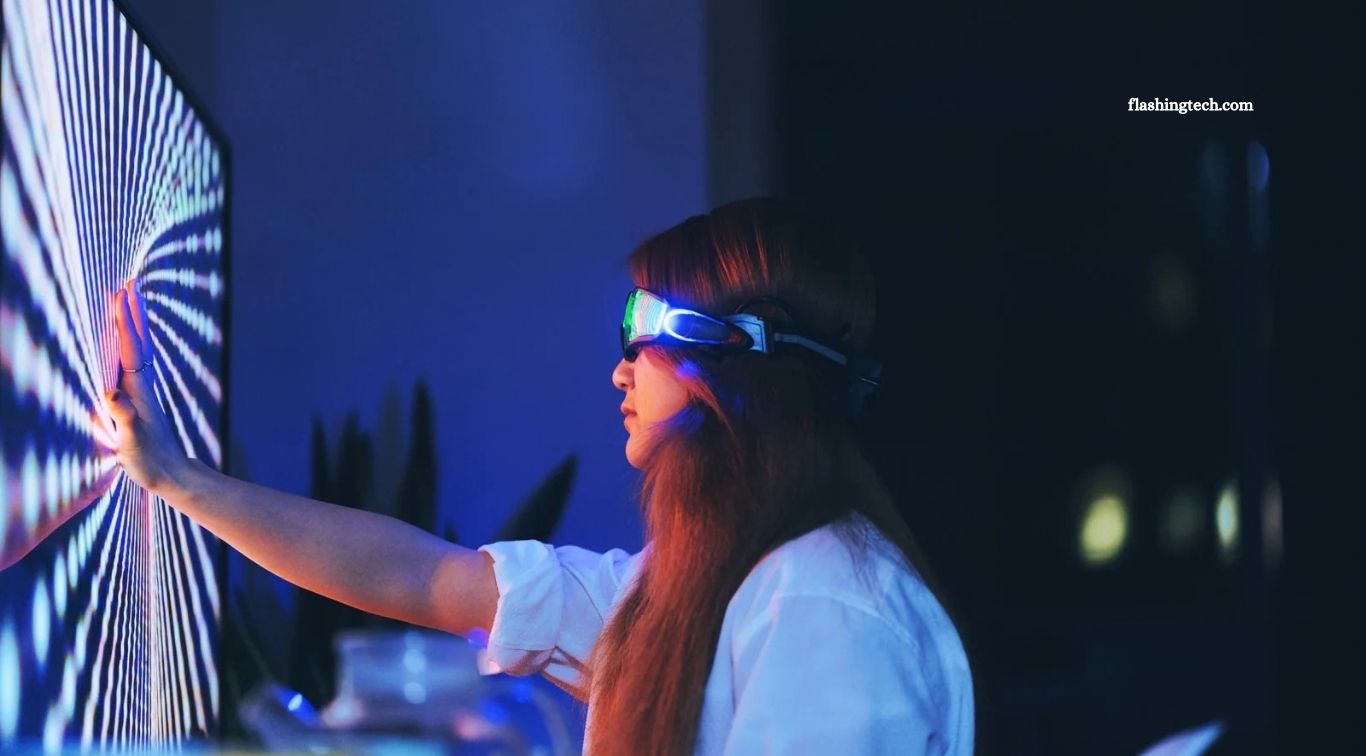
Technology continues to change how people work, communicate, travel, learn, and manage everyday tasks. New ideas once considered science fiction are gradually moving toward real-world applications. From artificial intelligence and smart robotics to advanced healthcare and connected devices, future technology could bring major changes across different industries.
Some predictions may sound ambitious, yet current research and development already point toward many possibilities. Understanding these trends can help businesses, students, and everyday users prepare for a rapidly changing digital world.
Read More: Smart Devices That Are Revolutionizing Home Living
AI Assistants Could Become More Personal
Artificial intelligence is moving beyond simple chatbots and search tools. Future AI assistants could understand personal preferences, routines, goals, and communication styles more effectively.
An advanced AI assistant could help manage schedules, summarize important information, organize files, prepare reports, support learning, and automate repetitive tasks. Instead of waiting for specific commands, future systems may anticipate useful actions while still keeping users in control.
Robots Could Become Common in Daily Life
Robotics is another technology with significant future potential. Modern robots are already used in factories, warehouses, hospitals, and research environments.
Future robots could become more capable of handling household tasks, deliveries, elderly assistance, cleaning, and basic maintenance. Improved sensors, computer vision, artificial intelligence, and better batteries could make robots more practical for everyday environments.
Self-Driving Transportation Could Expand
Autonomous vehicles have already moved from experimental projects toward real-world testing and commercial services in selected locations. Future improvements could make automated driving more reliable across different road conditions.
Self-driving technology could eventually support cars, buses, delivery vehicles, and other transportation systems. Better navigation, sensors, vehicle-to-vehicle communication, and AI decision-making may help create more automated transportation networks.
AI Could Transform Healthcare
Healthcare could experience major changes through artificial intelligence. AI systems can already assist with medical research, image analysis, documentation, and data processing.
Future systems may help doctors identify patterns in large medical datasets, support earlier detection of certain conditions, and personalize treatment plans. Wearable devices could also continuously monitor selected health signals and provide useful information to healthcare professionals.
AI would not necessarily replace doctors. Instead, it could become an additional tool for supporting medical decisions and improving efficiency.
Smart Homes Could Become More Intelligent
Smart home technology is expected to become more connected and automated. Future homes could use AI to understand household routines and manage lighting, temperature, security, appliances, and energy consumption.
For example, a home system could automatically adjust room conditions based on occupancy and preferences. Connected appliances could also communicate with each other, creating a more coordinated home environment.
Augmented Reality Could Change Digital Interaction
Augmented reality could become a larger part of everyday computing. Instead of viewing digital information only through phones and computers, users may interact with virtual elements through lightweight glasses or other wearable devices.
AR could support education, gaming, shopping, navigation, workplace training, and remote collaboration. A student might view interactive 3D models during a lesson, while a technician could see instructions directly within their field of view.
Quantum Computing Could Solve Complex Problems
Quantum computing remains an emerging field, but its potential is enormous. Unlike traditional computers, quantum computers use quantum mechanical principles to process certain types of problems differently.
Future quantum systems could contribute to areas such as drug discovery, materials science, optimization, cryptography, and scientific research. Large-scale practical quantum computing still faces major technical challenges, so its impact may develop gradually rather than suddenly.
Brain-Computer Interfaces Could Improve Communication
Brain-computer interfaces are another technology that could move closer to practical applications. These systems aim to create communication pathways between brain activity and external computers.
Future applications could help people with certain disabilities interact with digital devices using neural signals. Longer-term possibilities include controlling assistive devices, computers, or other technologies with increasingly direct forms of interaction.
However, privacy, safety, security, and ethical questions will remain important as these technologies develop.
Renewable Energy Technology Could Become Smarter
Future energy systems may combine renewable energy, advanced batteries, smart grids, and AI-based management. Solar and wind power could become more efficiently integrated with energy storage and electricity networks.
Smart energy systems could predict demand, manage available resources, and improve energy distribution. Better battery technology could also make renewable power more practical for homes, businesses, transportation, and large-scale energy storage.
3D Printing Could Expand Beyond Manufacturing
3D printing has already changed parts of manufacturing and product development. Future improvements could make the technology more useful for construction, healthcare, aerospace, food production, and customized products.
Businesses could produce specialized components locally instead of storing large inventories. Healthcare applications may also support customized medical devices and other patient-specific solutions.
Cybersecurity Could Become More AI-Driven
As technology becomes more connected, cybersecurity will become increasingly important. Artificial intelligence could help security teams identify unusual activity, detect threats, and respond to attacks faster.
At the same time, cybercriminals may use AI to create more sophisticated attacks. This could lead to an ongoing technology race between automated defense systems and automated threats.
Future cybersecurity strategies will likely combine AI, stronger authentication, encryption, continuous monitoring, and better user awareness.
Personalized Education Could Grow
Education technology could become more personalized through AI. Instead of giving every student the same learning experience, intelligent platforms could adapt lessons according to individual progress.
AI-powered systems could identify areas where students struggle and provide additional explanations, practice exercises, or alternative learning methods. Teachers could use these tools to track progress and spend more time on direct interaction with students.
Digital Twins Could Improve Real-World Systems
Digital twins create virtual representations of physical objects, machines, buildings, or systems. These models can use real-world data to monitor performance and simulate possible changes.
In the future, digital twins could become more common in manufacturing, transportation, healthcare, construction, and smart cities. Companies could test changes in a virtual environment before applying them to real systems, potentially reducing costs and risks.
Technology Could Become More Energy Efficient
Future computing devices may focus heavily on energy efficiency. As AI and cloud computing require significant computing resources, companies will need more efficient processors, data centers, cooling systems, and power solutions.
Low-power chips, advanced cooling technologies, efficient data centers, and improved battery systems could help reduce the energy requirements of future digital services.
Human-AI Collaboration Could Become Normal
One of the biggest technology predictions is not necessarily about machines replacing humans. Instead, many workplaces could develop around human-AI collaboration.
AI may handle repetitive analysis, data processing, research assistance, and routine content generation, while humans focus on creativity, strategy, communication, leadership, and complex decision-making.
This shift could change the skills employers value and increase demand for people who know how to work effectively with AI systems.
Challenges Behind Future Technology
Technology predictions should not be treated as guaranteed outcomes. Many promising technologies face technical, financial, legal, social, and ethical challenges.
Privacy will become increasingly important as devices collect more data. Cybersecurity risks may grow alongside connectivity. Regulations could influence how AI, autonomous vehicles, biotechnology, and other emerging technologies are developed.
Cost is another major factor. A technology may work successfully in a laboratory but require many years of development before becoming affordable and widely available.
Frequently Asked Questions
What technology could become common in the future?
AI assistants, smart robots, autonomous vehicles, AR devices, and smart homes could become more common.
Will AI change everyday life?
Yes. AI could automate tasks, personalize services, improve productivity, and support decision-making.
Could robots become part of daily life?
Yes. Future robots may assist with cleaning, deliveries, healthcare, manufacturing, and household tasks.
Will self-driving cars become widely used?
Autonomous vehicles could expand as sensors, software, safety systems, and regulations continue improving.
Could quantum computing become practical?
Yes, although significant technical challenges remain before large-scale quantum computing becomes widely available.
How will future technology affect jobs?
Technology may automate repetitive tasks while increasing demand for digital, creative, analytical, and AI-related skills.
Conclusion
The future of technology could bring significant changes to everyday life. AI assistants, robotics, autonomous transportation, smart homes, augmented reality, quantum computing, advanced healthcare, and renewable energy are among the areas that could shape the next generation of digital innovation. Not every prediction will become reality, and some technologies may develop differently than expected. Still, current innovation shows that many once-futuristic concepts are moving closer to practical use.
