

Geothermal energy has long been recognized as a reliable and sustainable power source, but many of the planet’s potential reserves remain hidden deep beneath the surface. Traditional exploration methods—largely reliant on costly drilling and surface indicators like geysers or hot springs—often miss these “blind” geothermal systems. Today, artificial intelligence (AI) is changing the game, enabling researchers and energy companies to detect underground reservoirs with unprecedented precision.
By analyzing vast datasets that include geological surveys, satellite imagery, and fault line information, AI models can predict the locations of hidden hot spots that were previously inaccessible. This technology not only accelerates the discovery process but also reduces costs, unlocking new opportunities for clean, low-emission energy production worldwide.
Read More: Renault 4 E-Tech (2025) Review: A Modern Classic, Elevated
AI Reveals a “Blind” Geothermal System
Startup Zanskar recently announced a breakthrough: using AI and advanced computational techniques, the company identified a previously unknown geothermal system—termed a blind system—in Nevada’s western desert. Unlike traditional geothermal sites, Big Blind shows no surface signs of geothermal activity. According to Zanskar, this is the first commercially viable blind system discovered and confirmed in over three decades.
Historically, geothermal exploration relied on expensive, labor-intensive drilling to locate viable sites. Zanskar’s AI-driven approach offers a more precise alternative. “We aim to solve a problem that had been unsolvable for decades and finally find resources that are much larger than previously thought,” said Carl Hoiland, Zanskar’s cofounder and CEO.
The Science Behind Geothermal Discovery
For a geothermal site to be viable, it must have high subsurface temperatures, sufficient fluid movement through rock, and enough space to support a power plant. At Big Blind, temperatures reach approximately 250 °F at around 2,700 feet below the surface—a promising indicator for energy production.
As global electricity demand rises, discoveries like this could provide consistent, low-emission power, contributing to the fight against climate change.
How AI Transforms Exploration
Zanskar’s exploration process begins with regional AI models that scan vast areas. The models are trained on data from known geothermal sites and simulated scenarios, incorporating geological surveys, satellite imagery, and fault line information. Using this data, the AI predicts potential hot spots with remarkable accuracy.
“One strength of AI is its ability to handle immense complexity,” said Hoiland. “If there’s something learnable in the earth—even complex phenomena that are difficult for humans to understand—neural networks can detect it if given enough data.”
Once a potential site is identified, field crews collect additional data, often drilling shallow holes to confirm elevated underground temperatures. This combination of AI prediction and field validation increases the success rate of geothermal discovery.
From Discovery to Development
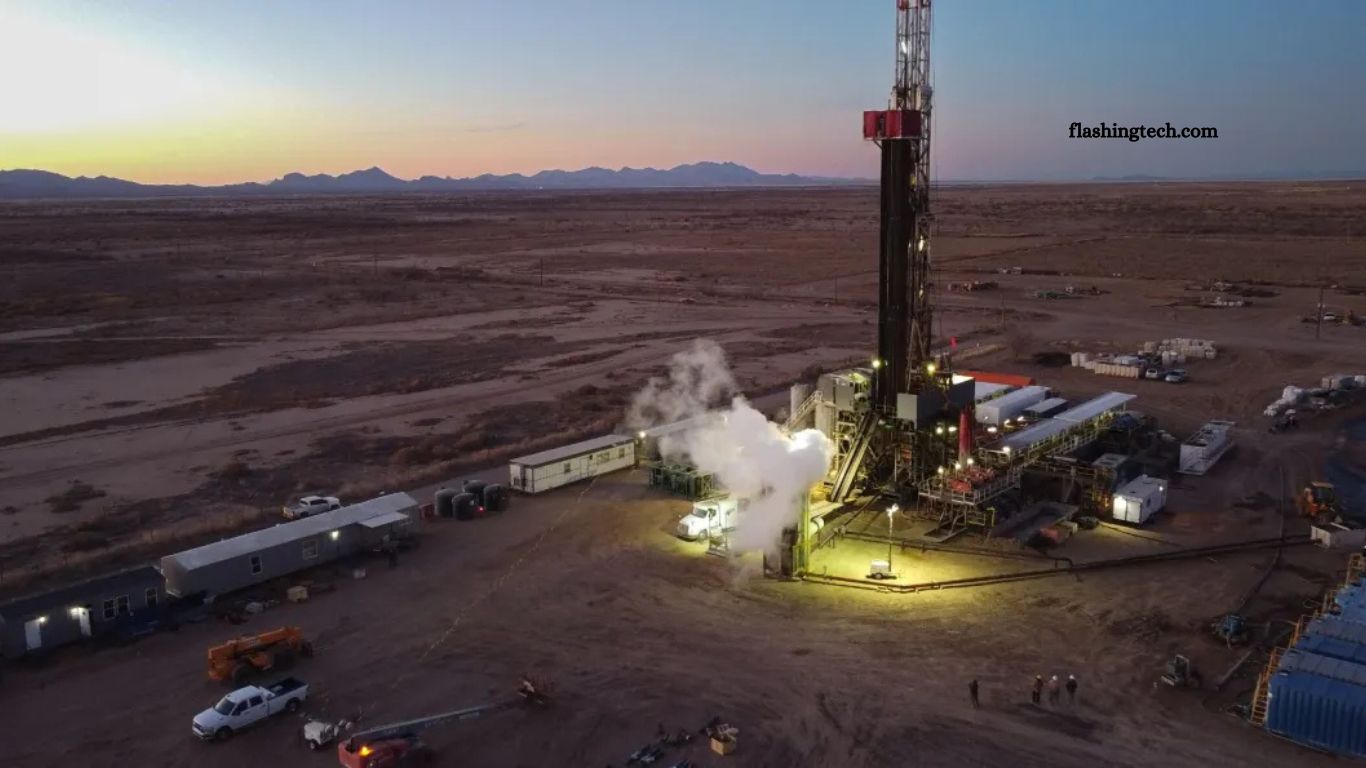
At Big Blind, preliminary fieldwork provided enough confidence for Zanskar to secure a federal lease, enabling the company to develop a geothermal plant. In mid-2025, large drill rigs confirmed the presence of hot, permeable rock at the predicted depth.
Next steps include obtaining permits, connecting the site to the power grid, and securing investment for plant construction. Long-term testing will also continue to monitor heat and water flow within the reservoir.
Industry Perspectives and Future Potential
Experts see AI-driven exploration as a game-changer. “There’s a tremendous need for methodology that can look for large-scale features,” said John McLennan, technical lead at Utah FORGE, a DOE-funded geothermal research site. He described the Big Blind discovery as “promising.”
Big Blind represents Zanskar’s first confirmed discovery of an unexplored site, though the company has previously used its tools to revive existing geothermal projects, including a power plant in New Mexico.
“This is just the beginning,” said Joel Edwards, Zanskar’s cofounder and CTO. “We’re starting a wave of discoveries that could unlock geothermal systems with enough heat to support full-scale power plants.”
Frequently Asked Questions
What is a blind geothermal system?
A hidden underground hot spot with no visible surface signs.
How does AI help?
AI analyzes geological and satellite data to predict where hidden reservoirs might exist.
Why is Big Blind significant?
It’s the first commercially viable blind system discovered in over 30 years.
What makes a geothermal site viable?
High heat, permeable rock, and enough space for fluid circulation.
What happens after a site is found?
Field testing, securing leases and permits, drilling, and long-term monitoring.
How does this impact geothermal energy?
It speeds up discoveries, reduces costs, and could unlock new clean energy sources.
Conclusion
The discovery of the Big Blind geothermal system demonstrates how AI is transforming the search for clean energy. By uncovering hidden underground reservoirs that traditional methods might miss, AI is opening new opportunities for reliable, low-emission power generation. As companies like Zanskar continue to refine their technology, this approach could accelerate the global shift toward sustainable energy, unlocking a wave of geothermal resources capable of powering communities while combating climate change.
