

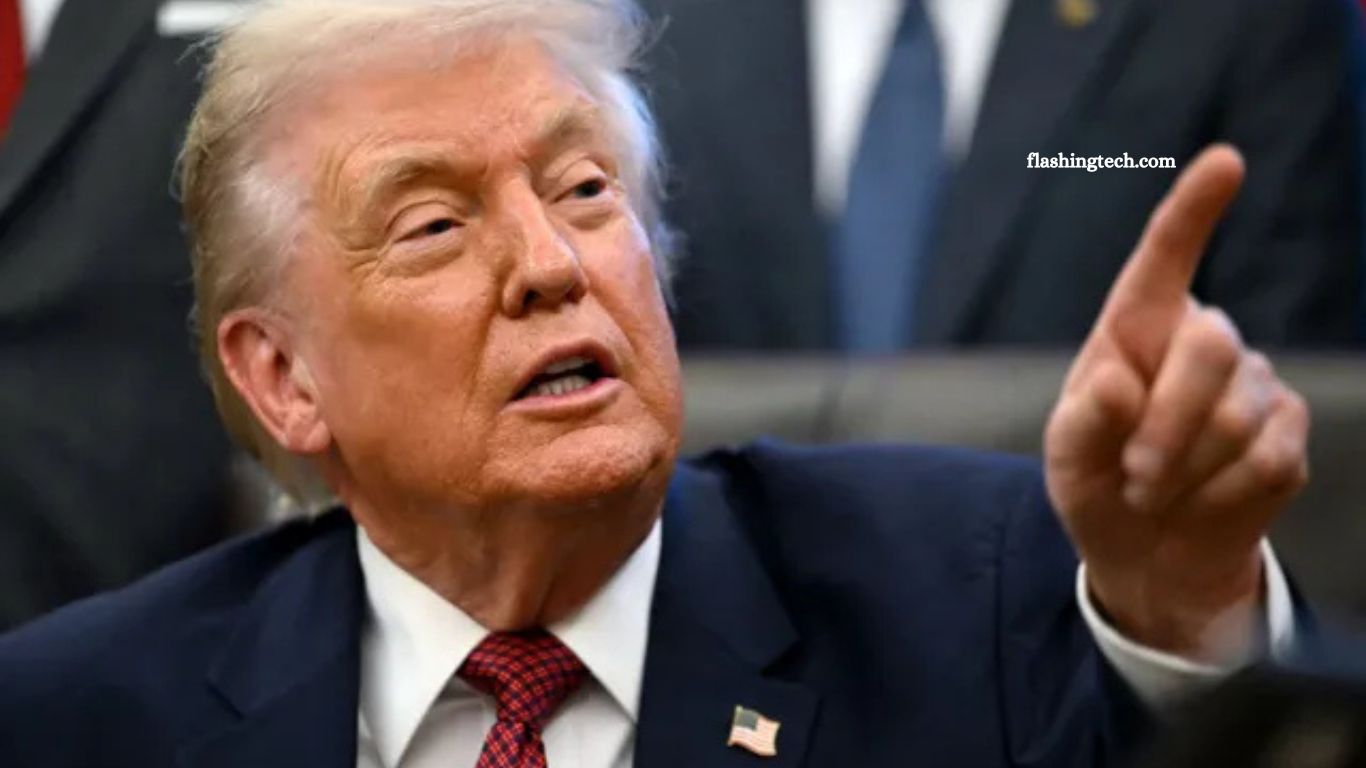
US President Donald Trump has expressed significant concerns over Netflix’s proposed $72bn acquisition of Warner Bros Discovery, warning that the merger could raise serious antitrust issues. The deal would combine Netflix’s global streaming platform with Warner Bros’ film studio and HBO networks, bringing iconic franchises such as Harry Potter, Game of Thrones, and The Matrix under one roof.
Speaking at an event in Washington DC, Trump highlighted Netflix’s already substantial market share and suggested that the merger could further reduce competition in the entertainment industry. While Netflix positions the agreement as a strategic move to secure long-term growth, regulators, labor unions, and industry experts are closely scrutinizing the potential impact on competition, consumer choice, and the broader media landscape.
Read More: Coinbase Resumes User Onboarding in India, Targets Fiat On-Ramp in 2026
Trump Flags Market Dominance Risks
Speaking at an event in Washington DC on Sunday, President Trump said Netflix already holds a “very big market share” and that its dominance would increase significantly if the deal were approved. He cautioned that the combined size of Netflix and Warner Bros “could be a problem” from a competition standpoint.
Trump added that he would be personally involved in the decision-making process surrounding the merger, repeatedly highlighting concerns about Netflix’s expanding influence in the global streaming market.
Details of the Proposed Deal
Netflix and Warner Bros Discovery announced on Friday that they had reached an agreement that would bring major franchises—including Harry Potter, Game of Thrones, The Matrix, Looney Tunes, and The Lord of the Rings—to Netflix’s platform.
The deal, one of the largest the film and television industry has seen in years, would further solidify Netflix’s position as the world’s leading subscription streaming service. It is expected to be completed after Warner Bros finalises a planned business split in the second half of 2026, subject to regulatory approval.
Regulatory Scrutiny and Antitrust Questions
The US Justice Department’s competition division, which oversees large mergers, may challenge the transaction if it determines that the combined company would control too much of the streaming market.
While some experts argue the merger could significantly strengthen Netflix’s grip on video streaming, others say the outcome will depend on how regulators define the market. A broader definition—one that includes cable television, broadcast networks, and platforms such as YouTube—could weaken claims of dominance.
Industry and Expert Reactions
Blair Westlake, a media executive and former chair of Universal Studios’ television and networks group, told the BBC’s Today programme that the key competition concern lies in the combination of Netflix with HBO’s streaming business.
“Netflix is not in the studio production business in the way Warner Bros is,” he said, noting that Warner Bros’ library of films and television content far exceeds Netflix’s own holdings.
Westlake added that YouTube remains the world’s largest platform for content consumption, a factor that could influence regulators’ assessment. He said he expects the deal to be approved eventually, though likely with conditions or concessions.
Bill Kovacic, a former chair of the Federal Trade Commission, said Trump’s comments suggest that negotiations over the merger will be unusually political.
“This means we’re likely to see an unprecedented level of presidential involvement in what was traditionally a technical regulatory process,” he said.
Political and Corporate Context
Trump also revealed that Netflix co-chief executive Ted Sarandos had recently visited the Oval Office, praising him as “a great person” who has done “one of the greatest jobs in the history of movies.”
Netflix beat several rivals, including Comcast and Paramount Skydance, to secure the deal. Paramount Skydance, led by David Ellison, had previously attempted to acquire Warner Bros in its entirety, but that approach was rejected. Ellison’s father, Oracle founder Larry Ellison, is a close ally of Trump.
Opposition From Labor Groups
The Writers Guild of America (WGA) strongly opposed the merger, calling on regulators to block it. In a statement, the union said the deal represents exactly the kind of consolidation antitrust laws were designed to prevent.
“The outcome would eliminate jobs, push down wages, worsen conditions for entertainment workers, raise prices for consumers, and reduce the diversity of content available to viewers,” the WGA said.
What Happens Next
The proposed merger now awaits approval from competition authorities, with regulators, labor groups, and political leaders closely watching its progress. As scrutiny intensifies, the deal’s fate may hinge not only on market data but also on how aggressively the White House chooses to intervene in the regulatory process.
Frequently Asked Questions
What is the Netflix–Warner Bros deal?
A proposed $72bn merger giving Netflix control of Warner Bros’ studio and HBO.
Why is Trump concerned?
He says Netflix already has a large market share, and the deal could reduce competition.
Which content is affected?
Franchises like Harry Potter, Game of Thrones, and The Matrix.
Is the deal approved?
No. It still needs regulatory approval.
Who reviews the merger?
The US Justice Department’s antitrust division.
When could it close?
After Warner Bros’ business split in late 2026.
Conclusion
The proposed $72bn Netflix–Warner Bros deal marks a defining moment for the global entertainment industry, with the potential to reshape how audiences access films and television. While the merger promises to consolidate some of the world’s most valuable content under one platform, it has also triggered serious concerns over market dominance, job losses, and reduced competition.
